The mid-range Mini-LED TV category in 2025 has become one of the most exciting segments to shop in, thanks to strong performers like the Hisense U75QG, TCL QM7K, and Samsung QN70F pushing brightness and contrast far beyond what traditional LED TVs used to offer. These models aim to deliver bigger HDR impact, better black levels, and faster gaming performance without reaching the premium price levels of flagship OLEDs. This makes the TCL QM7K vs Samsung QN70F matchup one of the most relevant comparisons for buyers shopping 4K Mini-LED TVs in 2025.
While the TCL QM7K and Samsung QN70F sit in a similar price range, they cater to different types of users. TCL focuses on maximum performance per dollar with bold HDR and high-zone Mini-LED dimming, whereas Samsung delivers a polished, refined experience supported by strong processing and a cohesive smart platform. This comparison will break down those differences to help you determine which TV best matches your viewing habits and environment.
TCL QM7K — Short Review
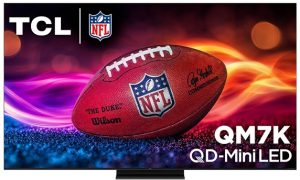
TCL QM7K
The TCL QM7K is designed as one of TCL’s most compelling QD-Mini LED offerings of 2025, delivering a big jump in brightness, contrast control, and gaming responsiveness compared to its predecessors. Its Mini-LED backlight paired with Quantum Dot color provides a strong foundation for HDR movies and gaming, allowing it to compete closely with performance-oriented models like the Hisense U75QG. TCL’s high-density dimming zones work hard to maintain deep blacks with far less blooming than older LED TVs.
One of the standout strengths of the QM7K is its HDR impact. The TV gets impressively bright, giving HDR highlights real pop while maintaining color accuracy across the brightness range. Combined with support for Dolby Vision, HDR10+, and HLG, this model is positioned as a great choice for movie lovers who want the richest compatibility and strongest overall HDR performance in this category.
For gamers, the QM7K offers a 144Hz refresh rate, VRR, and low input lag, making it incredibly responsive for fast-paced play. Console gamers and PC gamers alike will appreciate the smoothness and clarity during quick motion transitions, especially in competitive titles. TCL continues to push the envelope by giving gamers premium-tier motion handling at a mid-range price.
Design-wise, the QM7K keeps things clean and modern with a slim frame and versatile stand. Google TV powers the smart experience, offering wide app support, easy voice control, and excellent personalization. For households already invested in the Google ecosystem, this makes content access smooth and intuitive.
| TCL QM7K Prices | |
| 115-Inch (115QM7K) | Check Today’s Price (Amazon.com)… |
| 98-Inch (98QM7K) | Check Today’s Price (Amazon.com)… |
| 85-Inch (85QM7K) | Check Today’s Price (Amazon.com)… |
| 75-Inch (75QM7K) | Check Today’s Price (Amazon.com)… |
| 65-Inch (65QM7K) | Check Today’s Price (Amazon.com)… |
| 55-Inch (55QM7K) | Check Today’s Price (Amazon.com)… |
Samsung QN70F — Short Review
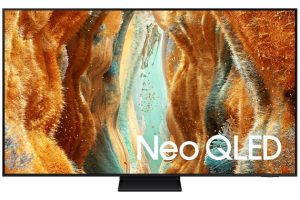
Samsung QN70F
The Samsung QN70F is a 2025 Neo QLED model positioned as a balanced performer that blends Mini-LED backlighting, Samsung’s refined processing, and a sleek design into an appealing mid-range package. Equipped with Quantum Matrix Technology Slim, the QN70F uses thousands of tightly controlled Mini-LEDs to offer better local dimming precision than standard LED TVs, producing deeper blacks and more accurate shadow detail.
Samsung’s NQ4 AI Gen2 processor powers the core of the QN70F’s picture performance. This AI-enhanced engine sharpens lower-resolution content, boosts depth perception, and improves clarity in faces, textures, and fast-moving scenes. It’s one of the biggest advantages Samsung holds over most competitors in this tier — their processing consistently delivers a polished, clean, and stable image that looks excellent across a variety of content types.
The QN70F also supports 144Hz refresh rate for gaming, giving players a smooth motion experience with VRR and low latency. While it doesn’t support Dolby Vision, Samsung’s HDR10+ implementation remains strong, and its HDR tone mapping does a solid job with bright room viewing. The QN70F is especially comfortable in bright environments thanks to Samsung’s anti-glare handling and well-controlled screen reflections.
On the smart TV side, the QN70F benefits from Samsung’s Tizen OS (One UI) — a polished, intuitive, and highly streamlined interface. With Samsung’s ecosystem expanding into AI-enhanced features, multi-view, gaming hub, and smart home integration, users who already own Samsung phones or appliances will find the experience cohesive and convenient.
| Samsung QN70F Prices | |
| 85-Inch (QN85QN70FAFXZA) | Check Today’s Price (Amazon.com)… |
| 75-Inch (QN75QN70FAFXZA) | Check Today’s Price (Amazon.com)… |
| 65-Inch (QN65QN70FAFXZA) | Check Today’s Price (Amazon.com)… |
| 55-Inch (QN55QN70FAFXZA) | Check Today’s Price (Amazon.com)… |
TCL QM7K and Samsung QN70F Key Specs & Features
Before diving into detailed comparisons, here’s a concise look at the core specs and features of TCL QM7K and Samsung QN70F.
| Specs & Features | TCL QM7K | Samsung QN70F | ||||||||||
| Backlight / Panel Type | QD-Mini LED | Neo QLED Mini LED (Quantum Matrix Technology Slim) | ||||||||||
| Screen Size Options | 55″, 65″, 75″, 85″, 98″, 115″ | 55″, 65″, 75″, 85″ | ||||||||||
| Local Dimming | High-zone Mini-LED dimming | Mini-LED local dimming | ||||||||||
| HDR Support | Dolby Vision, HDR10+, HLG | HDR10+, HDR10, HLG (no Dolby Vision) | ||||||||||
| Refresh Rate | 144Hz VRR | 144Hz VRR | ||||||||||
| Processor | TCL AiPQ Processor | NQ4 AI Gen2 Processor | ||||||||||
| Smart Platform | Google TV | Tizen OS (One UI) | ||||||||||
| Audio System | Enhanced 2.0 / 2.1 depending on size | OTS Lite | ||||||||||
| Gaming Features | 144Hz VRR, ALLM, low input lag | 144Hz VRR, ALLM, low input lag | ||||||||||
| Price | Higher | Lower | ||||||||||
|
|
TCL QM7K and Samsung QN70F Comparison
Now let’s compare TCL QM7K and Samsung QN70F across the most important aspects to help you decide which one is the better choice for your setup.
Picture Quality
The TCL QM7K delivers stronger raw picture performance thanks to its brighter HDR peaks, richer color depth, and more aggressive local dimming. Blacks look deeper and bright highlights look more pronounced, making movies feel more cinematic.
The Samsung QN70F still performs well with its Mini-LED system and excellent processing, but it generally produces a more balanced, refined image rather than maximum HDR punch.
Winner: TCL QM7K
HDR Formats
TCL includes Dolby Vision, HDR10+, and HLG, giving it the widest format compatibility for streaming HDR content.
Samsung supports HDR10+, HDR10, and HLG, but continues to skip Dolby Vision.
Winner: TCL QM7K
Motion & Gaming
There’s very little separating these two in gaming performance. Both offer 144Hz VRR, low latency, and smooth motion.
TCL tends to favor raw responsiveness, while Samsung offers cleaner motion processing for everyday viewing.
Winner: Tie
Smart Platform
Google TV on the QM7K is excellent for users who prefer broad app support, personalization, and a familiar Android-like interface.
Tizen (One UI) on the QN70F is more polished, more stable, and integrates beautifully with Samsung phones and devices.
Winner: Depends on ecosystem — Google users = TCL; Samsung users = QN70F
Audio
The QM7K generally offers richer and fuller built-in sound, especially compared to mid-range Samsung speakers.
The QN70F performs well in clarity but benefits more from adding a soundbar.
Winner: TCL QM7K
Price & Value
TCL QM7K: TCL gives you more raw performance for your money, delivering stronger HDR brightness, deeper contrast, and broader HDR support. For users who prioritize cinematic picture quality and high-performance gaming, the QM7K offers exceptional value relative to its capabilities.
Samsung QN70F: Samsung generally comes in at a lower price, making it the more accessible option for buyers who want a balanced Mini-LED experience without stretching their budget. You also benefit from Samsung’s refined processing, superior motion handling, and polished Tizen smart platform, which enhance everyday usability.
Winner: Depends on what you value more. If you want maximum performance per dollar with the best HDR impact, choose TCL QM7K. If you prefer refinement, smoother everyday performance, and a lower price, choose Samsung QN70F.
Which One to Choose?
If you want the best overall picture quality, the strongest HDR performance, and a TV that delivers big-screen cinematic impact, the TCL QM7K is the right choice. Its combination of QD-Mini LED brightness, Dolby Vision support, and high-zone dimming makes it especially attractive for dark-room movie watching and high-impact HDR gaming. Add in 144Hz VRR, Google TV, and strong built-in audio, and it’s easy to see why the QM7K is the better pick for users wanting the highest performance in this category.
| TCL QM7K Prices | |
| 115-Inch (115QM7K) | Check Today’s Price (Amazon.com)… |
| 98-Inch (98QM7K) | Check Today’s Price (Amazon.com)… |
| 85-Inch (85QM7K) | Check Today’s Price (Amazon.com)… |
| 75-Inch (75QM7K) | Check Today’s Price (Amazon.com)… |
| 65-Inch (65QM7K) | Check Today’s Price (Amazon.com)… |
| 55-Inch (55QM7K) | Check Today’s Price (Amazon.com)… |
But if you prefer a more refined all-around experience, value superior upscaling, want a cleaner smart interface, and prefer a lower price, then the Samsung QN70F is the smarter buy. Samsung’s NQ4 AI Gen2 processor, polished Tizen interface, and excellent motion handling make it a fantastic everyday TV for mixed usage, bright-room viewing, and casual gaming. For households already in the Samsung ecosystem, the QN70F offers seamless integration and outstanding overall convenience.
| Samsung QN70F Prices | |
| 85-Inch (QN85QN70FAFXZA) | Check Today’s Price (Amazon.com)… |
| 75-Inch (QN75QN70FAFXZA) | Check Today’s Price (Amazon.com)… |
| 65-Inch (QN65QN70FAFXZA) | Check Today’s Price (Amazon.com)… |
| 55-Inch (QN55QN70FAFXZA) | Check Today’s Price (Amazon.com)… |